





ScreenFree HK Logo ScreenFree HK Get Started
Menu
Get Started

Digital Detox for Hong Kong Living

Honest assessment of your screen time. Practical boundaries that work. Real activities that replace the scrolling.

What We Cover

Understanding Your Digital Habits

Four key areas to address for meaningful change

Screen Time Assessment

Most people don’t actually know how many hours they’re spending on phones, tablets, and computers. We’ll show you how to measure accurately — and what those numbers really mean for your health and focus.

Setting Real Boundaries

App limits don’t work if you keep extending them. Social media is designed to be addictive. We cover the psychological tricks that actually help — notification management, app placement, and the mental shifts that stick.

Offline Activities That Stick

You can’t just say “no phones.” You need real alternatives. Reading, hiking, creative projects, cooking — we explore activities people actually enjoy and how to build them into your routine.

Creating Device-Free Spaces

Your bedroom, dinner table, or first hour after waking up. Device-free zones aren’t about willpower — they’re about making the right choice easier. We’ll show you how to set them up in your home.

The Journey

What Happens When You Detox

Changes you’ll notice over time (realistic expectations)

1
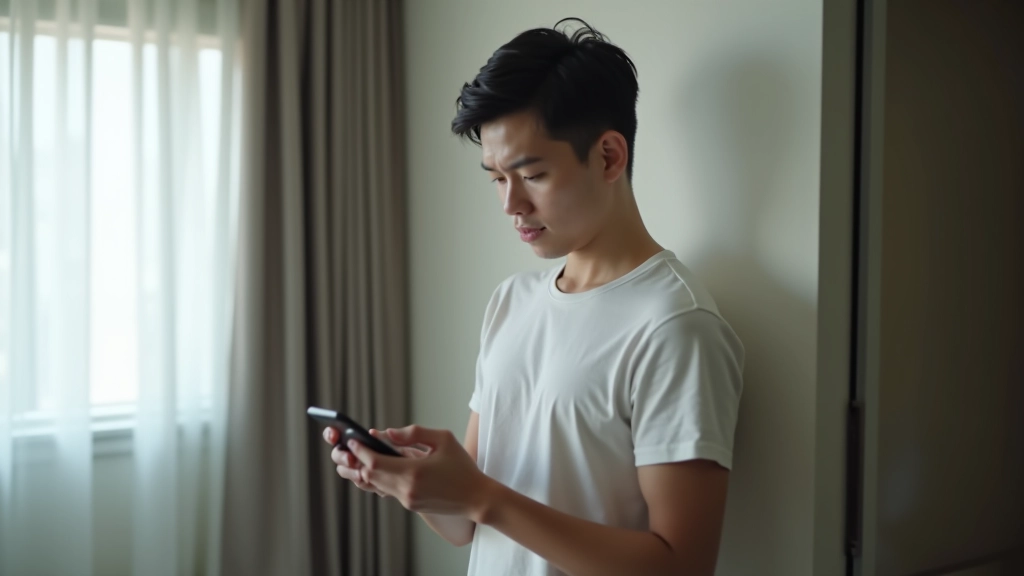
Person checking phone less frequently, slightly anxious expression, modern home setting

Week 1-2: The Withdrawal

You’ll feel the urge to check constantly. Notifications feel urgent even when they’re not. This is normal. Your brain’s dopamine system is recalibrating. Sit with the discomfort — it passes.

2
Person reading book with focused expression, comfortable couch setting, warm lighting, peaceful

Week 3-4: Finding Focus

You’ll start noticing longer attention spans. Reading feels easier. Work that required constant breaks now flows better. Your brain’s still rewiring but it’s getting there. This is when you start seeing real momentum.

3
Person sleeping peacefully in bed, dark bedroom, morning sunlight, rested appearance

Week 5-8: Sleep Improves

Better sleep comes after you’ve given your nervous system a break. You’ll fall asleep faster. Wake up fewer times. The blue light and constant stimulation were messing with your melatonin — that clears up now.

4
Person looking satisfied and peaceful, outdoor setting, natural expression, genuine smile

Week 9+: Sustainable Change

You’ll know your new baseline. Phone use feels like a choice, not a compulsion. You’re not “addicted” anymore. You can use devices intentionally without spiraling. You’ve built habits that stick because they’re not based on willpower.

Real Benefits People Report

Not promises. Actual changes from actual people who’ve reduced their screen time.

Better Focus

Can actually concentrate on one task

Deeper Sleep

Fall asleep faster, wake less often

Less Anxiety

Fewer panic checks, more calm mornings

Real Connection

Conversations feel deeper, less distracted

More Free Time

Shocked how many hours you actually had

Clearer Thinking

Brain fog lifts, decisions come easier

What People Are Saying

Real feedback from Hong Kong residents who’ve made the shift

“Wasn’t sure I could actually do this. But after two months my sleep got so much better and I actually have time to read again. My phone’s in the other room most evenings now and it doesn’t feel like punishment — it feels like freedom.”

Sophia, 34

“The hardest part was the first week. After that it got easier. I’m way more productive at work because I’m not checking my phone every 5 minutes. My anxiety went down too, which I didn’t expect. I still use social media but now it’s a choice, not an addiction.”

Marcus, 28

“My kids noticed I was on my phone constantly. That was the wake-up call. I set device-free dinner times and honestly it’s changed our whole family dynamic. We actually talk now instead of everyone scrolling. My kids are doing it too, which is wild.”

Jennifer, 41

Our Approach

How we think about digital detox

Honest Assessment

No judgment about how much you’re using your phone. The first step is knowing the actual numbers. Then you decide what changes make sense for you.

Practical Strategies

Not willpower talks. Real tactics that work with human psychology, not against it. App placement, notification management, environmental design — the stuff that actually sticks.

Real Alternatives

You can’t just eliminate screens. You need better activities. We explore what people actually enjoy and how to build them into your life sustainably.

Track Progress

Measure what matters: sleep quality, focus time, mood, satisfaction. The changes you’ll notice aren’t just about screen hours — they’re about how you actually feel.

Common Questions

What people ask when they’re thinking about digital detox

01

How do I know if my screen time is actually a problem?

Start by tracking honestly for a few days. If you’re spending more than 5-6 hours daily on non-work screens, if you check your phone within 5 minutes of waking up, or if you feel anxious when you don’t have it nearby — those are signs it’s worth addressing. But the real question is: how do you feel? Are you sleeping well? Can you focus? Are you satisfied with how you’re spending your time?

02

Do I have to quit completely or can I just use less?

Most people don’t need to quit. You can reduce meaningfully without going cold turkey. The key is intentional use — phones and apps are designed to keep you hooked, so you need real strategies, not just “I’ll use less.” Device-free times, putting your phone in another room, turning off notifications — these work better than relying on willpower.

03

What if my job requires constant connectivity?

Device-free zones don’t have to include work hours. Set boundaries around when you check work messages — maybe not the first hour after waking or after 7pm. Use app timers for social media specifically, not email. And definitely keep devices out of the bedroom. You can be responsive to work without being connected 24/7.

04

How long does it take to see changes?

The first 2 weeks are rough — you’ll feel the withdrawal. By week 3-4 you’ll notice better focus. Sleep improvements usually come around week 5-8. Real habit changes take about 8-12 weeks. Don’t expect to feel amazing immediately, but you will notice genuine changes if you stick with it.

05

What if everyone I know is still constantly on their phones?

This is the hardest part socially. You don’t have to convince anyone else to detox. Set your own boundaries and let your results speak. Device-free dinners, no phones in meetings, putting your phone away during conversations — people notice and sometimes it inspires them. And you’ll probably find others who are also tired of the constant connection.

06

Is digital detox the same as mindfulness?

Not exactly. Mindfulness is one tool you can use, but digital detox is more practical — it’s about removing the stimulus that’s interrupting you. You can be mindful and still doom-scroll for hours. Real change comes from both: reducing screen time AND being intentional about what you do with the extra time.

Featured In

Our content has been shared and discussed across Hong Kong’s health and wellness community

HK Health Weekly
Digital Wellness Asia
Hong Kong Wellness Hub
Tech Balance Initiative
HK Life Magazine